The "Hidden" Germs: Why Your Bed Sheets Need a Weekly Deep Clean

Hyperloop Laundry Delivery • November 5, 2025

We spend about one-third of our lives in bed. It’s our sanctuary, our place to rest, and our cozy escape at the end of a long day. But have you ever stopped to think about what is actually lingering between those threads? While your sheets might look clean and smell fine, they are a magnet for invisible buildup that can affect your skin, your sleep quality, and your health. Here is the "hidden" truth about why a weekly deep clean is essential for your bedding.


1. The Invisible "Roommates" in Your Bed

Every night, our bodies undergo a natural renewal process. Unfortunately, that process leaves behind several things that get trapped in your linens:

  • Dead Skin Cells: Humans shed roughly 500 million skin cells a day. Many of these fall off while you toss and turn at night.
  • Dust Mites: These microscopic critters don't bite, but they feast on those dead skin cells. Their waste is a leading trigger for indoor allergies and asthma.
  • Body Oils and Sweat: Even if you don't feel "sweaty," your body releases moisture and oils throughout the night, which seep into the fibers of your sheets and pillowcases.


2. The Impact on Your Skin (The "Mascne" Effect)

If you struggle with breakouts on your cheeks or chin, your pillowcase might be the culprit.

  • Product Buildup: Residue from hair products, night creams, and lotions builds up on the fabric.
  • Bacteria Transfer: When you lay your face on a dirty pillowcase, you are pressing yesterday’s oils and bacteria back into your pores.
  • The Solution: Washing your sheets (and especially pillowcases) weekly prevents this "bacterial cycle" and keeps your complexion clearer.


3. Allergies and Sleep Quality

Do you wake up with a stuffy nose, itchy eyes, or a "scratchy" throat? It might not be a seasonal cold—it could be your bedding. Dust mite allergens and accumulated pet dander can cause chronic congestion that prevents you from entering deep, restorative sleep. A high-temperature deep clean is the only way to effectively neutralize these allergens and help you breathe easier.


4. Why Your Home Washer Might Not Be Enough

Many home washing machines aren't large enough to allow bulky sheets and heavy comforters to move freely.

  • Poor Agitation: When the machine is cramped, the detergent can't reach every fold, and the dirt doesn't get "flushed" away.
  • Temperature Limits: To truly kill dust mites and break down body oils, you need consistent, high-temperature water that some home heaters struggle to maintain for a full cycle.


5. The "Fresh Bed" Feeling—Without the Work

Let’s be honest: washing, drying, and (the hardest part) folding fitted sheets is a massive chore. Most people skip the weekly wash simply because they don't have the time to manage king-sized linens.


That’s where Hyperloop Laundry comes in.

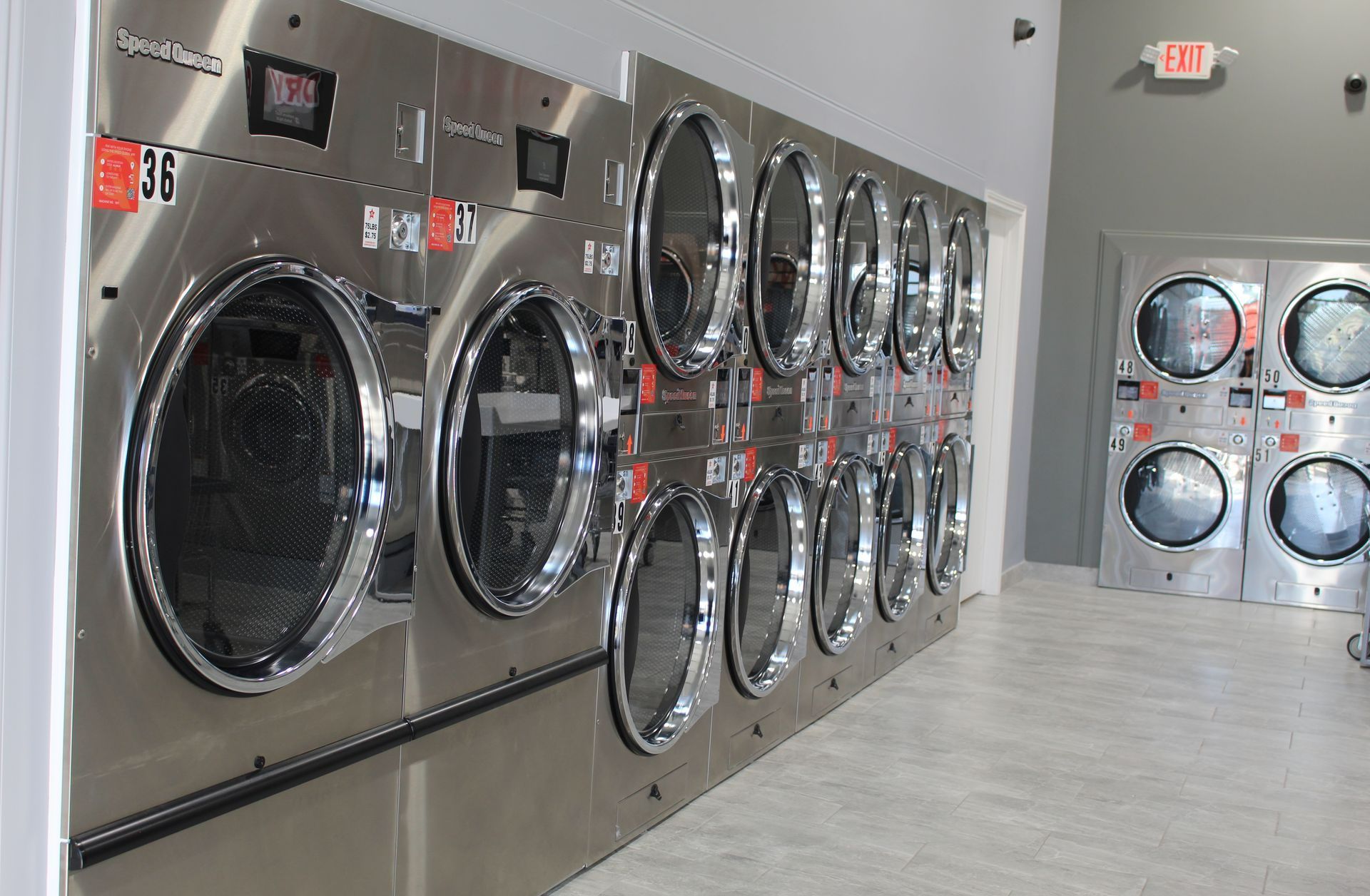
We don’t just wash your sheets; we give them a professional deep clean. Our high-capacity, industrial-grade machines ensure that your bedding is sanitized, freshened, and returned to you perfectly folded and ready for a hotel-quality night's sleep.


Give yourself the gift of a truly clean bed. Contact Hyperloop Laundry in Houston today to schedule your bedding pickup!

📞 Call us now: 281-582-8236 Because a healthier life starts with a cleaner sleep!
By Hyperloop Laundry Delivery December 20, 2025
The body content of your post goes here. To edit this text, click on it and delete this default text and start typing your own or paste your own from a different source.
By Hyperloop Laundry Delivery December 14, 2025
We’ve all been there: you buy a perfect black t-shirt, and after three washes, it’s a dull charcoal gray, covered in tiny lint balls, and an inch shorter than it used to be. While clothes won't last forever, most "aging" in garments isn't caused by wearing them—it’s caused by incorrect laundering. If you want to keep your wardrobe looking brand new for years instead of months, follow this expert guide to preventing the "Big Three" of clothing damage. 1. How to Stop Shrinking Shrinking usually happens because of two things: Heat and Agitation. High heat causes fibers (especially natural ones like cotton and wool) to constrict and tighten. Wash in Cold Water: Cold water is the safest bet for almost all fabrics. It prevents the fibers from "relaxing" and then snapping back into a smaller shape. Avoid the "High Heat" Dryer Setting: The dryer is the #1 culprit for shrinkage. If you must use it, use the "Tumble Dry Low" or "Air Fluff" setting. Air Dry When Possible: High-quality knits and cotton blends should be laid flat to dry to maintain their original silhouette. 2. How to Stop Fading Fading is caused by harsh detergents and hot water breaking down the dyes in your clothing. Turn Clothes Inside Out: This is the simplest trick in the book. By washing and drying clothes inside out, the "face" of the fabric doesn't rub against other clothes, keeping the dye intact. Use Vinegar as a Fabric Softener: Adding half a cup of white vinegar to the rinse cycle helps "set" dyes and prevents them from bleeding. Don't worry—the scent disappears in the wash! Skip the Long Cycles: The less time your clothes spend soaking in water and rubbing against each other, the more color they will retain. 3. How to Stop Pilling Pilling—those annoying little fuzz balls—happens when short fibers break and tangle together due to friction. Wash "Like with Like": Never wash delicate items with heavy fabrics like denim or towels. The rough texture of jeans acts like sandpaper against softer fabrics, causing them to pill. Zip It Up: Open zippers are "pilling machines." Always zip up hoodies and jackets before tossing them in the wash to prevent the metal teeth from snagging other clothes. Use a Liquid Detergent: Powdered detergents can be abrasive before they fully dissolve. Liquid detergents are gentler on the surface of the fabric. 4. The Golden Rule: Don't Over-Dry Over-drying is the fastest way to ruin clothes. Once the moisture is gone, the heat starts to bake the fibers, making them brittle. This leads to fading, shrinking, and weakening of the fabric all at once. Take your clothes out while they are just slightly damp and let them finish air-drying. Professional Care for a Long-Lasting Wardrobe Maintaining a "spotless" wardrobe takes time, effort, and a lot of sorting. If you’re too busy to manage temperature settings and delicate cycles, let Hyperloop Laundry handle the heavy lifting. We specialize in garment preservation. Our professional-grade machines and premium detergents are designed to get your clothes clean without the stress of shrinking, fading, or pilling. Give your favorite clothes the professional treatment they deserve! 📞 Call us today: 281-582-8236 Fresh, vibrant, and perfectly cared-for laundry—delivered to your door!
By Hyperloop Laundry Delivery December 1, 2025
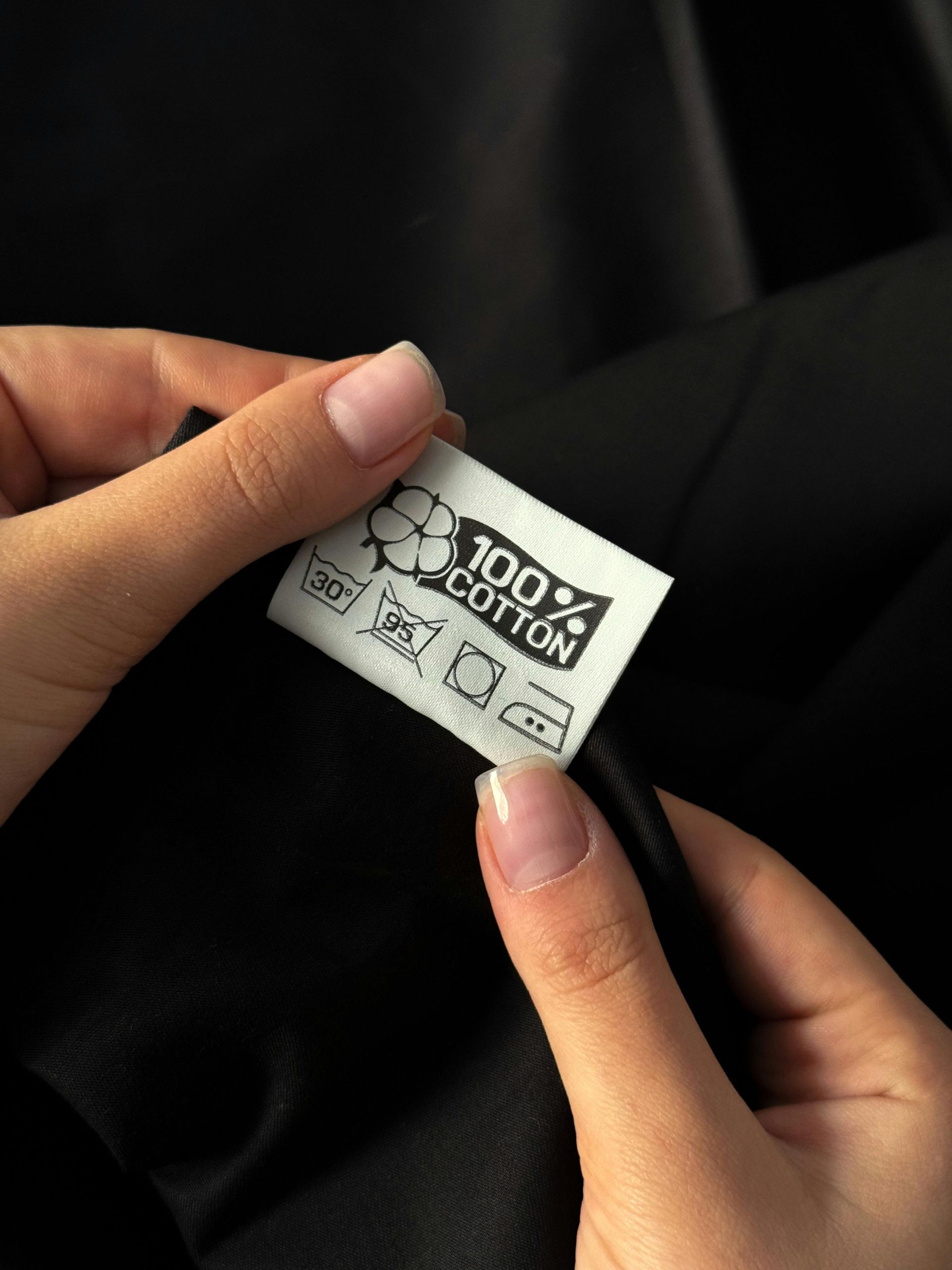
The Ultimate Guide to Reading Laundry Care Labels Have you ever looked at the tag on a new shirt and felt like you were trying to decode ancient hieroglyphics? You aren't alone. Those tiny squares, circles, and triangles are the "instruction manual" for your clothes, yet most of us ignore them—until a favorite sweater comes out of the wash three sizes too small. Understanding laundry symbols is the easiest way to prevent shrinking, fading, and fabric damage. Here is your "Cheat Sheet" for decoding your wardrobe.  1. The Tub: Washing Instructions The tub symbol tells you exactly how the garment should be washed. The Tub alone: Safe for machine washing. Dots inside the tub: These indicate temperature. One dot means Cold, two dots mean Warm, and three dots mean Hot. Lines under the tub: One line indicates Permanent Press, while two lines mean the Gentle/Delicate cycle. Hand in the tub: This means Hand Wash Only. These items are too fragile for a machine’s agitation. A "X" through the tub: Do not wash at home (usually means it needs dry cleaning). 2. The Triangle: Bleaching Instructions Before you reach for the bleach to brighten your whites, check for the triangle! Empty Triangle: Any bleach (including chlorine) is safe to use. Triangle with diagonal lines: Use Non-Chlorine (Oxygen) Bleach only. Solid "X" through the triangle: Do Not Bleach. This will cause permanent yellowing or holes in the fabric. 3. The Square: Drying Instructions The dryer is where most laundry disasters happen. Pay close attention to the square: Square with a circle inside: Safe for the tumble dryer. Dots inside the circle: Just like the wash tub—one dot for Low Heat, two for Medium, and three for High. The "X" through the symbol: Do Not Tumble Dry. These items should be air-dried. Square with a curved line at the top: Line Dry. Hang it up! Square with a horizontal line in the middle: Dry Flat. This is common for sweaters to prevent them from stretching out of shape. 4. The Iron: Pressing Instructions Ironing at the wrong temperature can melt synthetic fibers or scorch delicate silk. Iron with one dot: Low heat (cool iron). Iron with three dots: High heat (cotton/linen). Iron with an "X" underneath: No Steam. * The "X" through the iron: Do Not Iron. 5. The Circle: Professional Cleaning If you see a circle, the manufacturer is talking to the professionals. Empty Circle: The item should be Dry Cleaned. Circle with an "X": Do Not Dry Clean. Letters inside the circle (P, F, or W): These tell the dry cleaner exactly which chemical solvents are safe for the fabric. Why "Dry Clean" vs. "Dry Clean Only" Matters There is a big difference! "Dry Clean": This is a recommendation. You might be able to hand wash it carefully at home. "Dry Clean Only": This is a warning. Washing this item in water will likely ruin it forever. Stop Guessing—Let Hyperloop Handle the Symbols! Tired of squinting at tiny tags and worrying about ruined clothes? Let the professionals handle the "decoding" for you. At Hyperloop Laundry, we inspect every care label to ensure your garments are treated with the exact temperature and cycle they require. From delicate hand-wash items to heavy-duty linens, we provide the expert care your wardrobe deserves. Save time and save your clothes! Contact Hyperloop Laundry today: 📞 Call us at: 281-582-8236 Professional care, pristine results—delivered right to your door!
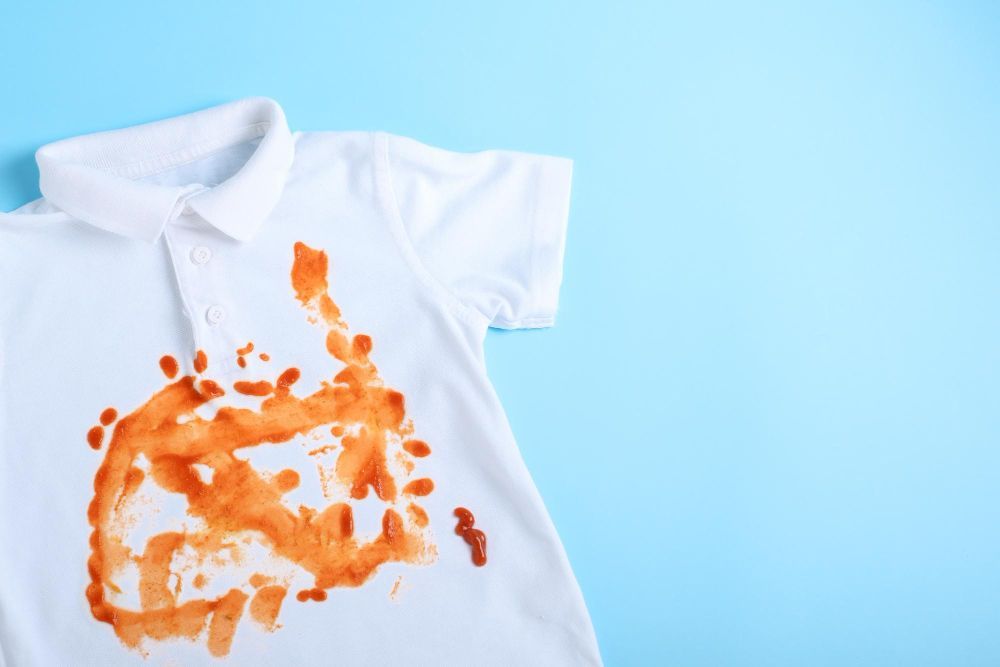
How do you get tomato sauce stains out of clothes?
By Hyperloop Laundry Delivery October 24, 2025
Remove tomato sauce stains easily with these proven methods. Act fast with cold water, use detergent, or try vinegar and baking soda for spotless clothes.
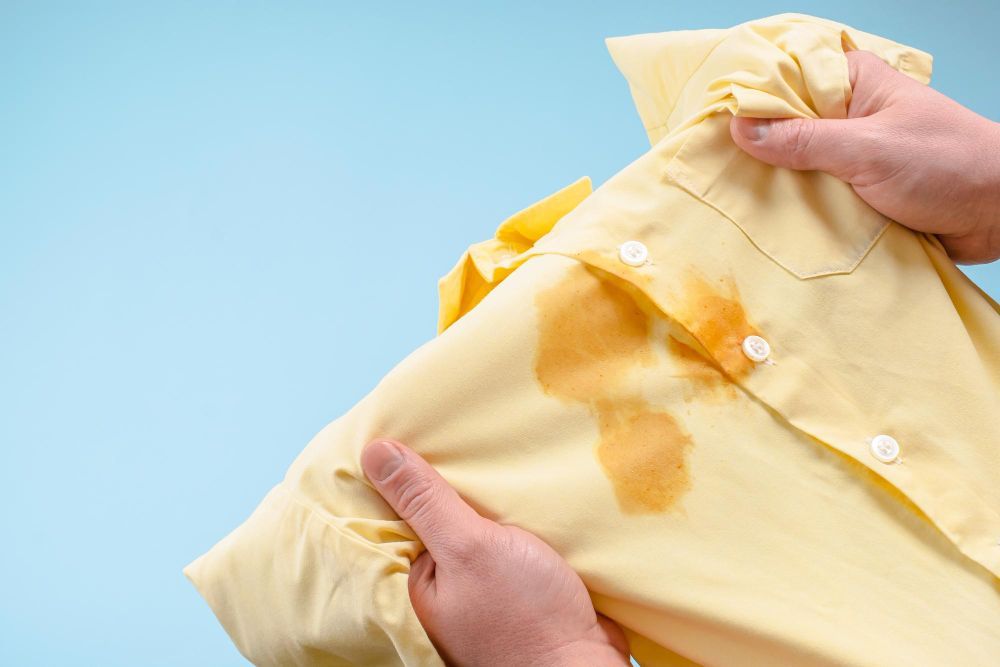
Expert Tips to Remove Oil Stains from Your Clothes
July 31, 2025
Learn how to remove oil stains from your clothes with simple steps. Save your favorite outfits from stubborn grease and oil stains with our easy-to-follow guide.
Laundry Hacks 101: Saying Goodbye to Detergent Stains
June 28, 2025
Learn simple, effective methods to remove detergent stains from clothes. Use common household items like vinegar and baking soda for spotless laundry.
Step-by-Step: Removing Rust Stains from Clothes Without Damaging the Fabric
By Hyperloop Laundry Delivery April 30, 2025
Learn how to wash rust stains from clothes in the best way possible, by using the best ingredients and understanding each step in detail for different fabrics.
Know The Best Ways To Get Stains Out Of White Clothes
By Hyperloop Laundry Delivery April 24, 2025
Learn how to remove stains from white clothes with effective techniques. Whether at home or through commercial laundry, keep your whites bright and spotless.
Quick Tips for Removing Makeup Stains from Clothing
By Hyperloop Laundry Delivery March 26, 2025
Discover how to get makeup stains out of clothes quickly with our expert tips. Keep your outfits spotless using these effective stain removal techniques.
How to Get Ink Out of Clothes: A Step-by-Step Guide
By Hyperloop Laundry Delivery December 31, 2024
Discover easy, effective ways to remove ink stains from clothes, shirts, pants, and dresses. Step-by-step guide for tackling stubborn ink marks on any fabric.