The "Hidden" Costs of Doing Laundry at Home
Hyperloop Laundry Delivery • July 16, 2025
This blog post is a powerful marketing tool. It’s designed to shift the reader's perspective from seeing laundry as a "free" chore to seeing it as a significant drain on their time and money. It creates a "Value Proposition" that makes Hyperloop Laundry look like the smarter financial choice.
The "Hidden" Costs of Doing Laundry at Home
Most people think of laundry as a "free" chore. After all, you already own the washing machine, and you’re already paying the utility bills, right? But when you actually sit down and crunch the numbers, doing laundry at home is far more expensive than most realize. Between the rising costs of utilities, the price of premium supplies, and the most valuable asset of all—your time—the "DIY" approach might actually be costing you thousands of dollars a year.
Here is a breakdown of the hidden costs of doing laundry at home.
1. The "Time Tax" (Your Most Valuable Asset)
The average American household does about 8 to 10 loads of laundry per week. Between sorting, pre-treating, washing, drying, and the never-ending task of folding, that’s roughly 8 to 10 hours of labor every week.
The Math: If you value your time at just $25/hour, you are spending $250 a week just to process your own clothes.
The Reality: That is time you could spend with your kids, focusing on a side hustle, or simply relaxing after a long work week. You can’t get your time back, but you can outsource the labor.
2. The Rising Cost of Utilities
Washing machines and dryers are some of the most energy-hungry appliances in your home.
- Water Bills: A standard top-load washer uses between 30 and 40 gallons of water per load.
- Electricity & Gas: Dryers use an incredible amount of energy to generate heat. With energy prices on the rise, those 10 loads a week add up to a significant portion of your monthly utility bill.
- The Professional Edge: Industrial machines are designed for maximum efficiency, using less water and energy per pound of laundry than home units.
3. Premium Supplies Aren't Cheap
High-quality laundry care isn't just about detergent. To do it right, you need:
- High-efficiency (HE) detergents.
- Fabric softeners or dryer balls.
- Specialized stain removers for oils, proteins, and tannins.
- Oxygen bleaches and whitening agents. Buying these in small quantities at the grocery store is the most expensive way to shop. When you use a service, these professional-grade supplies are included in the price.
4. Maintenance and Machine Depreciation
A good washer and dryer set can cost anywhere from $1,200 to $2,500.
- Wear and Tear: Every load you run brings your machine one step closer to a breakdown.
- Hidden Repairs: The cost of a single service call for a broken pump or a heating element can easily exceed $300—roughly the cost of several months of professional laundry service.
5. The Cost of "Laundry Disasters"
How much money have you lost to:
- A red sock ruining a load of whites?
- A favorite sweater shrinking because the dryer was too hot?
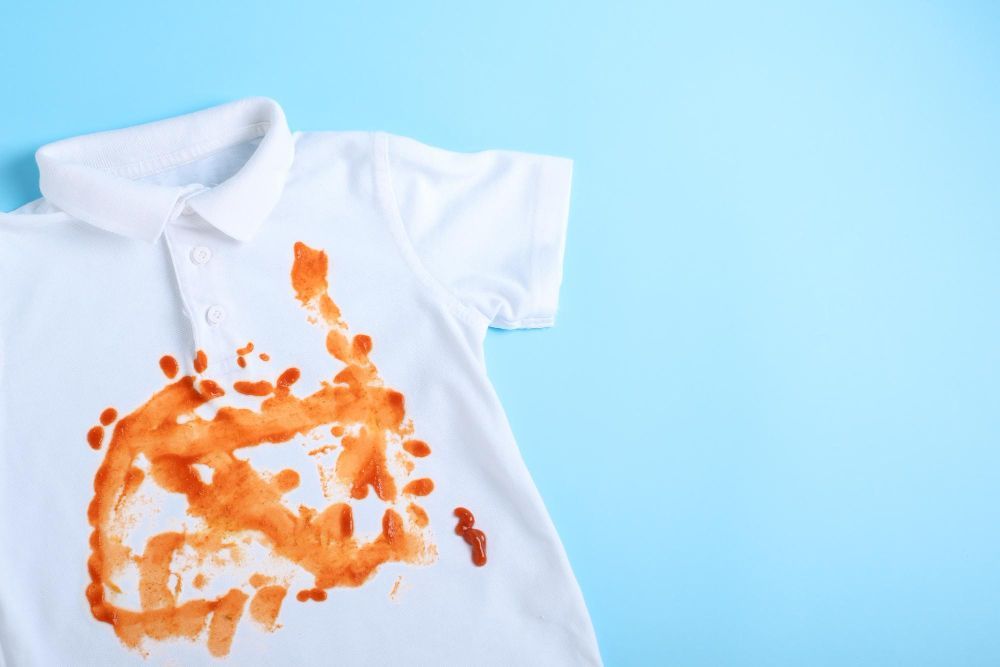
- A grease stain that became permanent because it wasn't treated correctly? Professional cleaners are experts in fabric care, meaning your clothes last longer and stay in "like-new" condition, saving you money on replacement wardrobe costs.
The Verdict: Your Time is Worth More
When you add up the water, the power, the detergent, the machine maintenance, and the hours of manual labor, the "hidden" cost of doing laundry at home is staggering. Hyperloop Laundry offers a better way. We give you back your weekends, lower your utility stress, and provide professional results that keep your clothes looking great.
Stop paying the "Time Tax" and let us handle the heavy lifting. Call Hyperloop Laundry today to schedule your first pickup!
π Call us at: 281-582-8236 Affordable. Professional. Fast. We make laundry day a thing of the past!
We’ve all had those laundry days where everything feels like a struggle—the mysterious "sour" smell in the towels, the static cling that won't quit, or the missing sock mystery. While laundry is a science, it doesn't have to be a chore. Here are seven "insider" hacks to help you master your laundry room like a pro. 1. The "Ice Cube" Trick for Wrinkles Don't have time to iron that shirt? Toss it in the dryer with two or three ice cubes for 5 to 10 minutes on high heat. As the ice melts, it creates steam, which acts as a natural de-wrinkler. Your shirt will come out looking freshly pressed! 2. Use Chalk to Erase Grease Stains Before you toss a greasy shirt into the wash, rub plain white chalk over the spot. The chalk dust is incredibly absorbent and will pull the oil out of the fibers. Let it sit for 10 minutes, then wash as usual. It’s a lifesaver for salad dressing drips! 3. Freeze Your Leggings and Sweaters If you have a sweater that sheds or leggings that have picked up a "gym smell" that won't go away, put them in a Ziploc bag and stick them in the freezer overnight. The cold kills odor-causing bacteria and helps "set" the fibers to prevent shedding. 4. Un-shrink a Sweater with Baby Shampoo Did you accidentally shrink your favorite wool or cotton sweater? Don't toss it! Fill a sink with lukewarm water and a capful of baby shampoo. Soak the sweater for 30 minutes. The shampoo relaxes the fibers, allowing you to gently stretch the garment back to its original shape while it air-dries. 5. Add Salt to Prevent Color Bleed If you’re worried about a new pair of dark jeans or a bright red shirt bleeding onto your other clothes, add a tablespoon of salt to the wash. The chloride in the salt helps "seal" the dye into the fabric, keeping your colors vibrant and your whites safe. 6. Use a Dry Towel to Speed Up Drying If you’re in a rush, toss a clean, dry bath towel into the dryer with your wet clothes. The towel will absorb the initial moisture, cutting your drying time by up to 20 minutes. Just remember to take the towel out after 15 minutes so the dryer can finish the job. 7. The "Sock Mesh Bag" Strategy Tired of the "sock monster" eating your socks? Assign every family member a small mesh laundry bag. They put their dirty socks in the bag, and you wash the whole bag together. No more sorting, no more lost pairs! The Ultimate Laundry Hack: Call the Professionals! The best laundry hack of all? Not doing it yourself. While these tips can help in a pinch, nothing beats the convenience and quality of a professional wash-and-fold service. At Hyperloop Laundry, we have the expertise to handle every fabric, every stain, and every "laundry emergency" so you don't have to. Why spend your weekend hacking your laundry when we can do it for you? Experience the Hyperloop difference today! π Call us now: 281-582-8236 Expert care. Fast turnaround. Spotless results every time!

We’ve all been there: you buy a perfect black t-shirt, and after three washes, it’s a dull charcoal gray, covered in tiny lint balls, and an inch shorter than it used to be. While clothes won't last forever, most "aging" in garments isn't caused by wearing them—it’s caused by incorrect laundering. If you want to keep your wardrobe looking brand new for years instead of months, follow this expert guide to preventing the "Big Three" of clothing damage. 1. How to Stop Shrinking Shrinking usually happens because of two things: Heat and Agitation. High heat causes fibers (especially natural ones like cotton and wool) to constrict and tighten. Wash in Cold Water: Cold water is the safest bet for almost all fabrics. It prevents the fibers from "relaxing" and then snapping back into a smaller shape. Avoid the "High Heat" Dryer Setting: The dryer is the #1 culprit for shrinkage. If you must use it, use the "Tumble Dry Low" or "Air Fluff" setting. Air Dry When Possible: High-quality knits and cotton blends should be laid flat to dry to maintain their original silhouette. 2. How to Stop Fading Fading is caused by harsh detergents and hot water breaking down the dyes in your clothing. Turn Clothes Inside Out: This is the simplest trick in the book. By washing and drying clothes inside out, the "face" of the fabric doesn't rub against other clothes, keeping the dye intact. Use Vinegar as a Fabric Softener: Adding half a cup of white vinegar to the rinse cycle helps "set" dyes and prevents them from bleeding. Don't worry—the scent disappears in the wash! Skip the Long Cycles: The less time your clothes spend soaking in water and rubbing against each other, the more color they will retain. 3. How to Stop Pilling Pilling—those annoying little fuzz balls—happens when short fibers break and tangle together due to friction. Wash "Like with Like": Never wash delicate items with heavy fabrics like denim or towels. The rough texture of jeans acts like sandpaper against softer fabrics, causing them to pill. Zip It Up: Open zippers are "pilling machines." Always zip up hoodies and jackets before tossing them in the wash to prevent the metal teeth from snagging other clothes. Use a Liquid Detergent: Powdered detergents can be abrasive before they fully dissolve. Liquid detergents are gentler on the surface of the fabric. 4. The Golden Rule: Don't Over-Dry Over-drying is the fastest way to ruin clothes. Once the moisture is gone, the heat starts to bake the fibers, making them brittle. This leads to fading, shrinking, and weakening of the fabric all at once. Take your clothes out while they are just slightly damp and let them finish air-drying. Professional Care for a Long-Lasting Wardrobe Maintaining a "spotless" wardrobe takes time, effort, and a lot of sorting. If you’re too busy to manage temperature settings and delicate cycles, let Hyperloop Laundry handle the heavy lifting. We specialize in garment preservation. Our professional-grade machines and premium detergents are designed to get your clothes clean without the stress of shrinking, fading, or pilling. Give your favorite clothes the professional treatment they deserve! π Call us today: 281-582-8236 Fresh, vibrant, and perfectly cared-for laundry—delivered to your door!

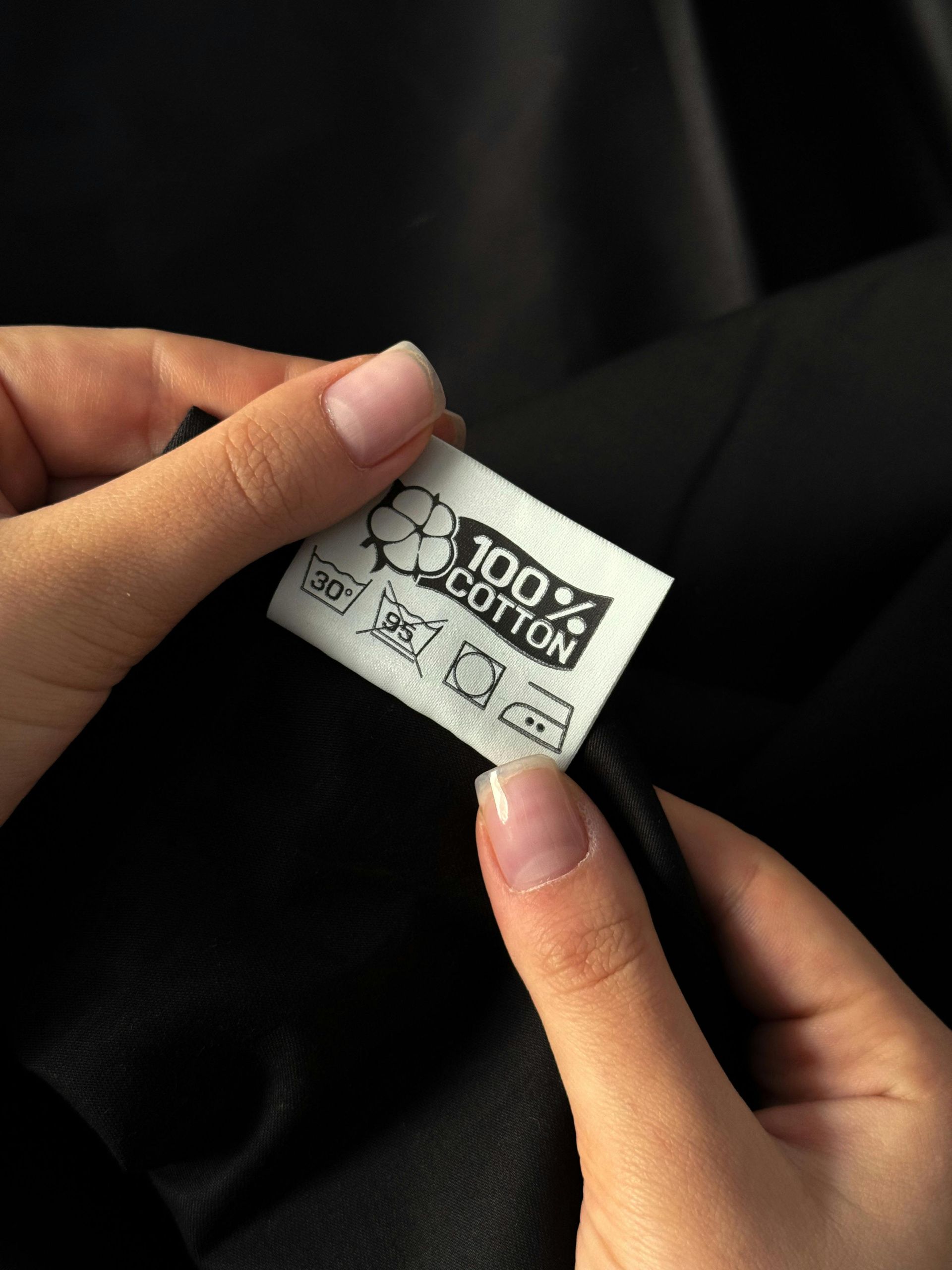
The Ultimate Guide to Reading Laundry Care Labels Have you ever looked at the tag on a new shirt and felt like you were trying to decode ancient hieroglyphics? You aren't alone. Those tiny squares, circles, and triangles are the "instruction manual" for your clothes, yet most of us ignore them—until a favorite sweater comes out of the wash three sizes too small. Understanding laundry symbols is the easiest way to prevent shrinking, fading, and fabric damage. Here is your "Cheat Sheet" for decoding your wardrobe. ο»Ώ 1. The Tub: Washing Instructions The tub symbol tells you exactly how the garment should be washed. The Tub alone: Safe for machine washing. Dots inside the tub: These indicate temperature. One dot means Cold, two dots mean Warm, and three dots mean Hot. Lines under the tub: One line indicates Permanent Press, while two lines mean the Gentle/Delicate cycle. Hand in the tub: This means Hand Wash Only. These items are too fragile for a machine’s agitation. A "X" through the tub: Do not wash at home (usually means it needs dry cleaning). 2. The Triangle: Bleaching Instructions Before you reach for the bleach to brighten your whites, check for the triangle! Empty Triangle: Any bleach (including chlorine) is safe to use. Triangle with diagonal lines: Use Non-Chlorine (Oxygen) Bleach only. Solid "X" through the triangle: Do Not Bleach. This will cause permanent yellowing or holes in the fabric. 3. The Square: Drying Instructions The dryer is where most laundry disasters happen. Pay close attention to the square: Square with a circle inside: Safe for the tumble dryer. Dots inside the circle: Just like the wash tub—one dot for Low Heat, two for Medium, and three for High. The "X" through the symbol: Do Not Tumble Dry. These items should be air-dried. Square with a curved line at the top: Line Dry. Hang it up! Square with a horizontal line in the middle: Dry Flat. This is common for sweaters to prevent them from stretching out of shape. 4. The Iron: Pressing Instructions Ironing at the wrong temperature can melt synthetic fibers or scorch delicate silk. Iron with one dot: Low heat (cool iron). Iron with three dots: High heat (cotton/linen). Iron with an "X" underneath: No Steam. * The "X" through the iron: Do Not Iron. 5. The Circle: Professional Cleaning If you see a circle, the manufacturer is talking to the professionals. Empty Circle: The item should be Dry Cleaned. Circle with an "X": Do Not Dry Clean. Letters inside the circle (P, F, or W): These tell the dry cleaner exactly which chemical solvents are safe for the fabric. Why "Dry Clean" vs. "Dry Clean Only" Matters There is a big difference! "Dry Clean": This is a recommendation. You might be able to hand wash it carefully at home. "Dry Clean Only": This is a warning. Washing this item in water will likely ruin it forever. Stop Guessing—Let Hyperloop Handle the Symbols! Tired of squinting at tiny tags and worrying about ruined clothes? Let the professionals handle the "decoding" for you. At Hyperloop Laundry, we inspect every care label to ensure your garments are treated with the exact temperature and cycle they require. From delicate hand-wash items to heavy-duty linens, we provide the expert care your wardrobe deserves. Save time and save your clothes! Contact Hyperloop Laundry today: π Call us at: 281-582-8236 Professional care, pristine results—delivered right to your door!

For many people, "clean" laundry is associated with the strong scent of floral meadows or "mountain breezes." But if you or your children have sensitive skin, those heavy fragrances and chemicals can be a nightmare. Skin is the body’s largest organ, and it is in constant contact with fabric 24 hours a day. When laundry isn't handled correctly, the clothes on your back can become a primary source of itching, redness, and allergic flare-ups. Here is how you can transform your laundry routine into a skin-safe haven. 1. Understand the Culprits: Fragrances and Dyes The most common causes of "Laundry Dermatitis" (skin irritation from clothes) are the synthetic fragrances and dyes found in standard detergents. Fragrances: These are designed to stick to the fabric so the smell lasts for weeks. Unfortunately, those chemicals can penetrate the skin and cause contact dermatitis. Optical Brighteners: These chemicals don't actually get clothes cleaner; they sit on the fibers and reflect light to make whites look "brighter." For sensitive skin, these are frequent irritants. 2. Ditch the Fabric Softeners and Dryer Sheets It may sound counterintuitive, but the products designed to make clothes "soft" are often the harshest on the skin. The "Waxy" Coating: Fabric softeners work by leaving a thin layer of chemicals on the fabric fibers. This coating traps heat and sweat against the skin, which can trigger eczema flare-ups. The Alternative: Use Wool Dryer Balls. They soften clothes naturally by bouncing against them in the dryer, reducing static without adding any chemical residue. 3. The Power of the Extra Rinse Sometimes the problem isn't the detergent itself, but the fact that it wasn't fully rinsed out. If you see white suds during the final spin cycle, there is still soap in your clothes. Detergent residue becomes "activated" when you sweat, leading to that itchy, uncomfortable feeling during the day. Pro Tip: Always select the "Extra Rinse" option on your machine to ensure every trace of surfactant is flushed away. 4. Keep Your Machine Clean A washing machine that isn't cleaned regularly can harbor mold, mildew, and bacteria—all of which can transfer to your clothes and irritate your skin. Run a "Clean Washer" cycle with white vinegar or a specialized tub cleaner once a month to prevent allergen buildup inside the drum. 5. New Clothes? Wash Before Wearing Never wear a brand-new garment straight from the store. New clothes are often treated with Formaldehyde and other finishing resins to prevent wrinkling during shipping. These chemicals are notorious for causing skin rashes. A quick wash before the first wear is essential for anyone with sensitivities. Gentle Care for Your Family, Handled by Experts Managing sensitive skin laundry can feel like a full-time job—constantly checking labels, measuring special detergents, and running double rinses. At Hyperloop Laundry, we understand that "clean" shouldn't have to hurt. We offer specialized care for sensitive skin, ensuring that your garments are handled with the gentlest products and rinsed thoroughly to remove all irritants. Let us help you find relief from laundry-related skin irritation. Contact Hyperloop Laundry today to discuss our skin-sensitive cleaning options! π Call us at: 281-582-8236 Safe for your skin, fresh for your life—delivered right to your door.

We spend about one-third of our lives in bed. It’s our sanctuary, our place to rest, and our cozy escape at the end of a long day. But have you ever stopped to think about what is actually lingering between those threads? While your sheets might look clean and smell fine, they are a magnet for invisible buildup that can affect your skin, your sleep quality, and your health. Here is the "hidden" truth about why a weekly deep clean is essential for your bedding. 1. The Invisible "Roommates" in Your Bed Every night, our bodies undergo a natural renewal process. Unfortunately, that process leaves behind several things that get trapped in your linens: Dead Skin Cells: Humans shed roughly 500 million skin cells a day. Many of these fall off while you toss and turn at night. Dust Mites: These microscopic critters don't bite, but they feast on those dead skin cells. Their waste is a leading trigger for indoor allergies and asthma. Body Oils and Sweat: Even if you don't feel "sweaty," your body releases moisture and oils throughout the night, which seep into the fibers of your sheets and pillowcases. 2. The Impact on Your Skin (The "Mascne" Effect) If you struggle with breakouts on your cheeks or chin, your pillowcase might be the culprit. Product Buildup: Residue from hair products, night creams, and lotions builds up on the fabric. Bacteria Transfer: When you lay your face on a dirty pillowcase, you are pressing yesterday’s oils and bacteria back into your pores. The Solution: Washing your sheets (and especially pillowcases) weekly prevents this "bacterial cycle" and keeps your complexion clearer. 3. Allergies and Sleep Quality Do you wake up with a stuffy nose, itchy eyes, or a "scratchy" throat? It might not be a seasonal cold—it could be your bedding. Dust mite allergens and accumulated pet dander can cause chronic congestion that prevents you from entering deep, restorative sleep. A high-temperature deep clean is the only way to effectively neutralize these allergens and help you breathe easier. 4. Why Your Home Washer Might Not Be Enough Many home washing machines aren't large enough to allow bulky sheets and heavy comforters to move freely. Poor Agitation: When the machine is cramped, the detergent can't reach every fold, and the dirt doesn't get "flushed" away. Temperature Limits: To truly kill dust mites and break down body oils, you need consistent, high-temperature water that some home heaters struggle to maintain for a full cycle. 5. The "Fresh Bed" Feeling—Without the Work Let’s be honest: washing, drying, and (the hardest part) folding fitted sheets is a massive chore. Most people skip the weekly wash simply because they don't have the time to manage king-sized linens. That’s where Hyperloop Laundry comes in. We don’t just wash your sheets; we give them a professional deep clean. Our high-capacity, industrial-grade machines ensure that your bedding is sanitized, freshened, and returned to you perfectly folded and ready for a hotel-quality night's sleep. Give yourself the gift of a truly clean bed. Contact Hyperloop Laundry in Houston today to schedule your bedding pickup! π Call us now: 281-582-8236 Because a healthier life starts with a cleaner sleep!

You spent a lot of money on your high-performance leggings, moisture-wicking shirts, and sports bras. But after a few months of heavy workouts, you might notice something: they still smell "funky" even after they’ve been washed. This happens because synthetic fabrics like spandex and polyester are designed to repel water but attract oil (sebum) from your skin. Standard laundry habits can actually trap bacteria inside these fibers. Here is how to save your gym gear and keep it smelling fresh. 1. Never Use Fabric Softener This is the #1 mistake people make with activewear. Fabric softener works by leaving a waxy coating on fibers to make them feel soft. The Problem: That coating clogs the "pores" of moisture-wicking fabric. The Result: It locks in sweat and bacteria, creating a "permanent funk" that grows every time you workout. It also destroys the fabric’s ability to pull sweat away from your skin. 2. The "Pre-Soak" Vinegar Solution If your gym clothes have a lingering odor, they need a "strip" wash. The Hack: Soak your gym clothes in a sink with one part white vinegar and four parts cold water for 30 minutes before washing. The acid in the vinegar breaks down the body oils and detergent buildup that trap odors. 3. Wash Them Inside Out Most of the "gunk" (sweat, dead skin, and bacteria) is on the inside of your leggings and shirts. By turning them inside out before tossing them in the wash, you give the water and detergent direct access to the source of the smell. This also protects the outer finish of your expensive gear from pilling. 4. Don't Let Them Marinate We’ve all been guilty of leaving a gym bag in the car or a pile of wet workout clothes in the hamper. This is a breeding ground for mold and mildew. Pro Tip: If you can't wash your gym clothes immediately, hang them up to air dry before putting them in the laundry basket. Never leave them bunched up and wet. 5. Skip the Heat Heat is the enemy of spandex and elastic. High dryer temperatures break down the "stretch" in your leggings, leading to those annoying little white fibers (elastics breaking) and a loss of shape. The Rule: Always wash in cold water and air dry or use the "Extra Low" heat setting on your dryer. 6. Use the Right Amount of Detergent It’s tempting to use "extra" soap for extra-stinky clothes, but this actually makes the problem worse. Excess detergent doesn't rinse out; it builds up in the fabric and creates a "food source" for bacteria. Stick to the recommended amount or use a specialized "Sport" detergent. Give Your Activewear the Professional Treatment High-performance gear requires high-performance cleaning. If you want to ensure your expensive workout wardrobe stays stretchy, bright, and odor-free without the hassle, let Hyperloop Laundry handle it. We understand the science of synthetic fabrics. We use professional-grade processes that deep-clean your activewear while preserving the integrity of the fibers. Keep your focus on your workout—we’ll handle the sweat! Contact Hyperloop Laundry today to schedule a pickup. π Call us now: 281-582-8236 Fresh gear. No funk. Fast delivery!